Kapok is a lightweight, plant-based fiber harvested from the seed pods of kapok trees. Its soft, airy texture makes it useful in bedding, particularly pillows designed for a cushioned yet less dense feel. Understanding kapok’s natural loft and breathability can help explain how it differs from latex and other common filling materials.
Kapok pillow fill is valued for its fluffy, resilient character and low weight. The fibers can create a gently supportive surface while allowing air to move through the pillow, which may suit people who prefer a less compact feel. Pillow comfort and support still depend on fill quantity, sleeping position, and individual preference.
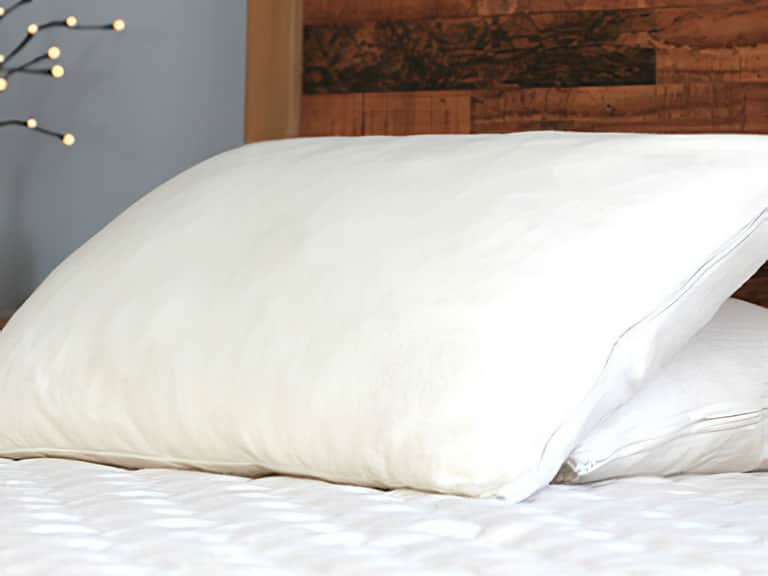
The Savvy Rest Organic Kapok Pillow combines kapok filling with an organic cotton cover. Its natural materials are relevant to people learning about organic bedding and alternatives to conventional synthetic fills. Depending on the pillow’s construction, access to the filling may allow loft adjustment, helping users tailor height and softness to their needs.
Kapok is distinct from latex, though both materials can appear in discussions of natural bedding. Latex is typically denser and more responsive, while kapok is airy and compressible. Comparing these characteristics can clarify which type of pillow feel is suitable, and how each material may complement organic mattresses or other bedding.
When evaluating kapok pillows, consider cover fabric, fill composition, care instructions, and whether the loft can be adjusted. These details affect everyday usability and maintenance. Kapok is also a separate category from organic crib mattresses, which require age-appropriate design and safety considerations beyond the choice of a natural bedding material.
 Bedding