Exploring Organic Latex Mattresses: What Chicago Sleepers Should Know
A practical guide for Chicago residents navigating the world of organic latex mattresses, with climate, certification, and urban living considerations shaping comfort, durability, and indoor air quality.
Why “organic latex” matters in a windy city
In a city defined by sharp seasonal shifts, the choice of a mattress can reverberate across a spectrum of daily experiences—from the way a bed breathes in humidity-heavy summers to how a surface negotiates heat during spring humidity and dust-mote-dense autumns. Organic latex mattresses promise more than a soft surface or a springy bounce; they embody a materials-first ethos that seeks to minimize chemical exposure, prioritize natural durability, and bolster long-term sleep health. For Chicago sleepers who live in compact apartments, rent-season transitions, and a climate that swings from warm to blistery in the blink of a weather report, latex’s responsive feel and temperature-regulating properties can be a meaningful differentiator.
Organic latex is typically harvested from rubber trees and processed into Dunlop or Talalay slabs. The “organic” label cannot be assumed; it hinges on rigorous farming practices and the absence of synthetic pesticides, followed by third-party certifications that verify the mattress’s construction. For the Chicago sleeper, this means a physical experience that’s both ethical and practical—less exposure to synthetic binders, a potentially longer lifespan, and a surface that can adapt more nimbly to body heat and room temperature fluctuations.
Certifications you should know, and why they matter in Chicago
When evaluating an organic latex mattress, certifications are the compass to navigate the maze of marketing claims. Key credentials to look for include GOTS (Global Organic Textile Standard) for organic fabrics, GOLS (Global Organic Latex Standard) for latex, and Made Safe or OEKO-TEX certifications that address chemical safety across materials. These certifications help reassure buyers that what’s inside the mattress—latex, covers, and padding—aligns with high environmental and health standards.
In Chicago, indoor air quality is a particular concern for many residents, given city living environments, potential mold issues in older buildings, and seasonal humidity. Certifications that emphasize low emissions and skin-safe finishes aren’t mere buzzwords; they’re practical signals about the sleep climate you’ll inhabit every night. A mattress that minimizes chemical off-gassing can translate into fresher air in smaller bedrooms, especially during long winter nights when windows stay closed and air exchange is limited.
Among brands that commonly surface in educated inquiries—Savvy Rest, Naturally Organic, and Obasan—these certifications function as a baseline for trust. Savvy Rest, for instance, is known for its emphasis on organic latex and natural materials, often pairing certified latex with organic cotton covers. Naturally Organic and Obasan also foreground certifications, with an emphasis on transparency around sourcing, manufacturing, and the specific latex formulation used in each model.
The Chicago climate lens: how weather and living spaces shape your sleep surface
Chicago’s weather is a study in paradox: humid summers that can make bedding feel heavy, and winters that invite a drier, cooler air seeking warmth. Organic latex mattresses have inherent breathability, yet the surrounding bedding, room humidity, and even the bed frame’s support influence the overall comfort. In practice, you’ll often find yourself balancing a latex core’s natural resilience with a breathable, cotton-based cover and a fitted sheet that doesn’t trap heat.
For apartment living, space efficiency matters. A mattress that remains cool in summer and doesn’t trap excess moisture in winter can contribute to better sleep hygiene. Latex’s elasticity supports different sleeping positions without the rapid loss of shape you might see with some other foams, and its resilience helps it recover after a night of restless turning—an important factor when a bedroom doubles as a workspace or guest room in a small Chicago condo.
Understanding materials: latex, cover fabrics, and care for longevity
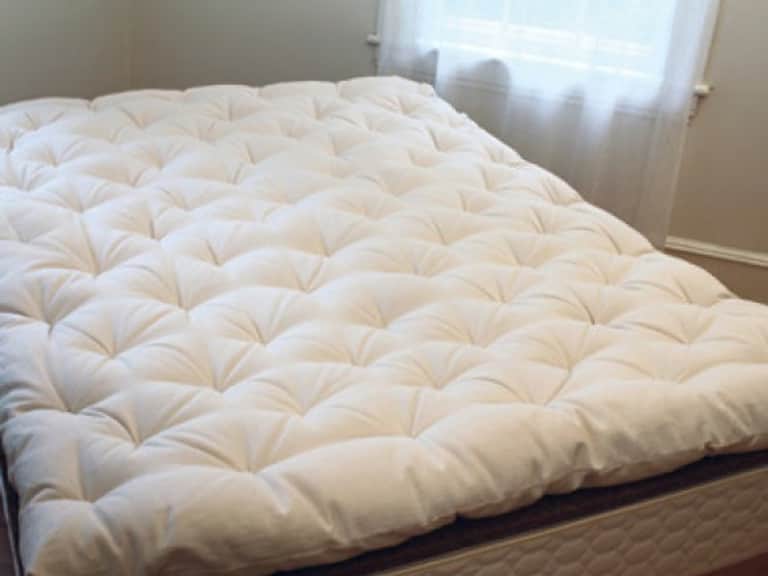
At the core of an organic latex mattress is the latex layer, sourced from rubber trees and processed into a foam or layered structure. The feel can be firm, medium, or plush depending on the density and whether the latex is Dunlop or Talalay. Dunlop latex tends to be denser and cradling, while Talalay often yields a more buoyant, responsive sensation. Some mattresses use a blend of both, offering a balanced feel that can accommodate varying sleep positions—from back sleepers seeking support to side sleepers needing gentle contouring.
The cover fabric choice matters almost as much as the latex itself. Organic cotton covers are common, given their breathability and skin-friendly properties. Some makers employ blends that improve wear-resistance or enhance moisture management. In Chicago’s climate, a breathable, durable cover can help regulate microclimates in the sleep surface, reducing the likelihood of clammy nights or overheating, particularly during humid months.
Care is essential for longevity. Even with durable latex, a simple regimen of regular rotation, spot cleaning for spills, and a clean sleeping environment can extend life. Consider a washable, natural cover beneath the top layer to refresh the surface without exposing the latex core to repeated moisture. Brands like Savvy Rest and its peers typically provide care guidance that aligns with the fabric and latex type used, as well as guidelines for maintaining the mattress’s lab-aligned certifications.
A practical buyer’s checklist for Chicago sleepers
- Certification verification: Confirm GOTS, GOLS, Made Safe, and/or OEKO-TEX status for all materials, including latex and fabric covers.
- Latex type and feel: Understand whether the mattress uses Dunlop, Talalay, or a mix, and decide if you prefer a firmer or more buoyant surface.
- Core construction: Check for layered or solid latex cores, edge support, and overall durability, especially if your space has a high bed usage rate.
- Cover and comfort layers: Look for organic cotton or other natural covers that optimize breathability and skin comfort.
- Climate considerations: Factor Chicago’s humidity and temperature ranges into your choice of a breathable cover and moisture-control accessories.
- Care and warranty: Review care instructions and warranty terms, ensuring you understand what constitutes normal wear and tear.
Three key voices from different eras: a historical arc across sleep thought
Sleep, like urban life, is a dialogue across time. Consider how ideas about rest have evolved through distinct epochs, echoing in today’s choices about organic latex mattresses.
Ancient philosopher of well-being (circa 4th century BCE)
In early dialogues on health, sleep was a state of rebalancing the body’s humors after daily exertions. The idea of a restful surface—soft or firm—was less about a single material and more about harmony between body and environment.
Industrial-era sleep researcher (19th century)
As urban life accelerated, the importance of a stable sleep surface became a proxy for productivity and well-being. The era’s push toward standardized bedding prodded a move toward consistent comfort and hygienic materials, setting a trajectory toward modern certifications and safer fabrics.
Contemporary sleep science advocate (21st century)
Today, sleep science ties directly to indoor air quality, allergen management, and physiological refreshment. Organic latex mattresses, with proper certifications, are positioned as a spectrum of safety, durability, and comfort—an alignment with modern concerns about chemical exposure, environmental impact, and urban living realities.
A Chicago-focused product note: Bailey Comfort Sleeper Mattress Protector in context
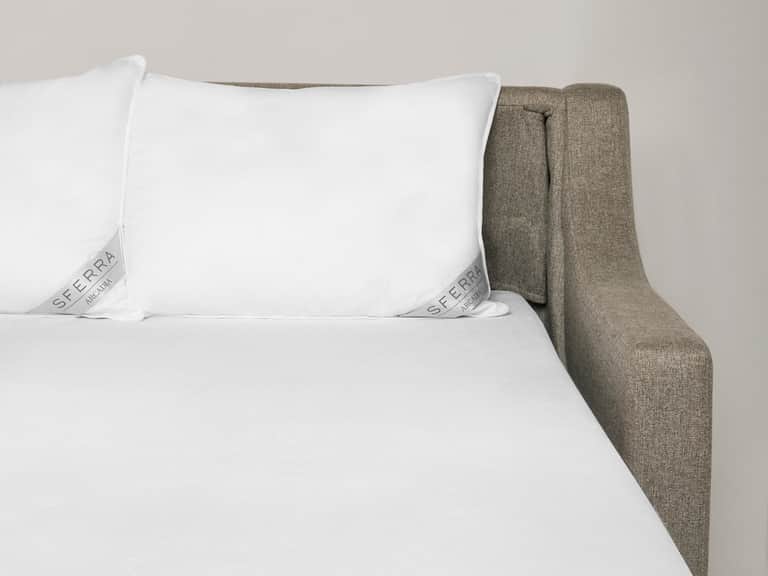
While the focus here remains on non-promotional guidance for organic latex mattresses, a nearby practical companion piece is the Bailey Comfort Sleeper Mattress Protector. Designed to fit American Leather Comfort Sleeper sofa beds, this product exemplifies the kind of protective accessory that helps maintain surface integrity—quiet, breathable, and water-repellent. In Chicago living rooms where multipurpose spaces are common, a protector can help prolong the life of delicate sleep surfaces by guarding against spills, moisture, and everyday wear.
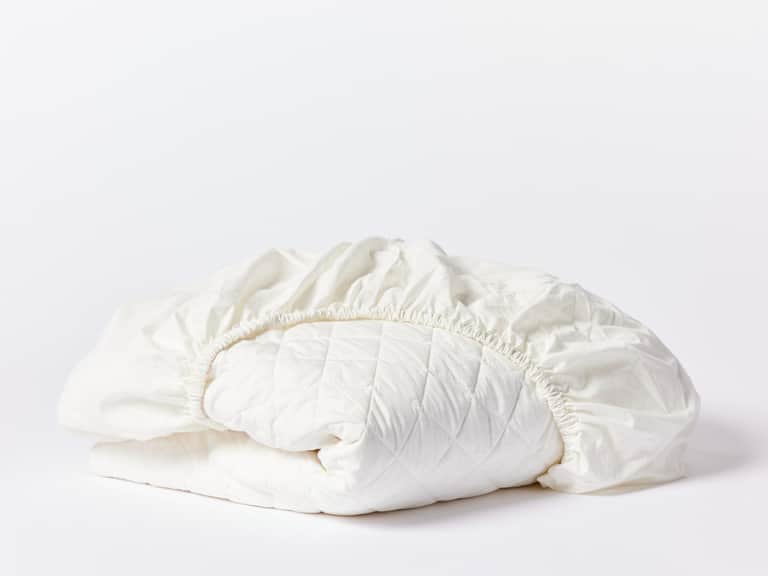
For readers seeking a concrete example of how protective layers interact with an urban sleep environment, consider how a mattress protector complements the latex core’s durability. The cover is cotton terry, with a waterproof finish and elasticized side walls to keep it secure through nightly use. While not a core latex material, this accessory mirrors the broader ethos: maximizing comfort, reducing maintenance burdens, and ensuring longevity in a climate that’s at once dynamic and demanding.
Price points, materials, and care guidelines can be found in product descriptions, with care instructions emphasizing cold washing and tumble drying to preserve fabric integrity. In Chicago’s consumer landscape, understanding accessory care becomes part of a holistic sleep strategy—one that starts with an organic latex core and solidifies with the right protective, breathable accessories to suit a city that never stops adapting.
Local resources and how to shop wisely in Chicago
Chicago residents have access to a landscape of local showrooms, university-affiliated research centers, and sleep clinics that can offer firsthand guidance on organic latex choices. In-person testing remains a key step for many shoppers who want to assess firmness, snap-back, and surface contour. It’s wise to support local retailers who can provide transparent documentation of certifications and material sources, and who can guide buyers through a climate-conscious setup for the Chicago home.
If you’re embarking on a deeper dive, seek brands that publish certification details and provide third-party verification. In the Chicago ecosystem, such transparency helps ensure your mattress aligns with your values and your environment.
Conclusion: organic latex as a local sleep-first choice
The Chicago sleeper deserves a bed that respects both health and habitat. Organic latex mattresses, when paired with certified fabrics and thoughtful care, offer a path to restful nights in a city of winter windows, summer balconies, and everything in between. This guide emphasizes an evidence-based approach, clear certification signals, and a practical appreciation for Chicago’s unique living conditions.
As you explore, remember that the strongest sleeping surface is not a single material alone but a carefully configured ecosystem: latex core, organic cover, appropriate protective accessories, and a mindful care routine that keeps air clean and surfaces durable.